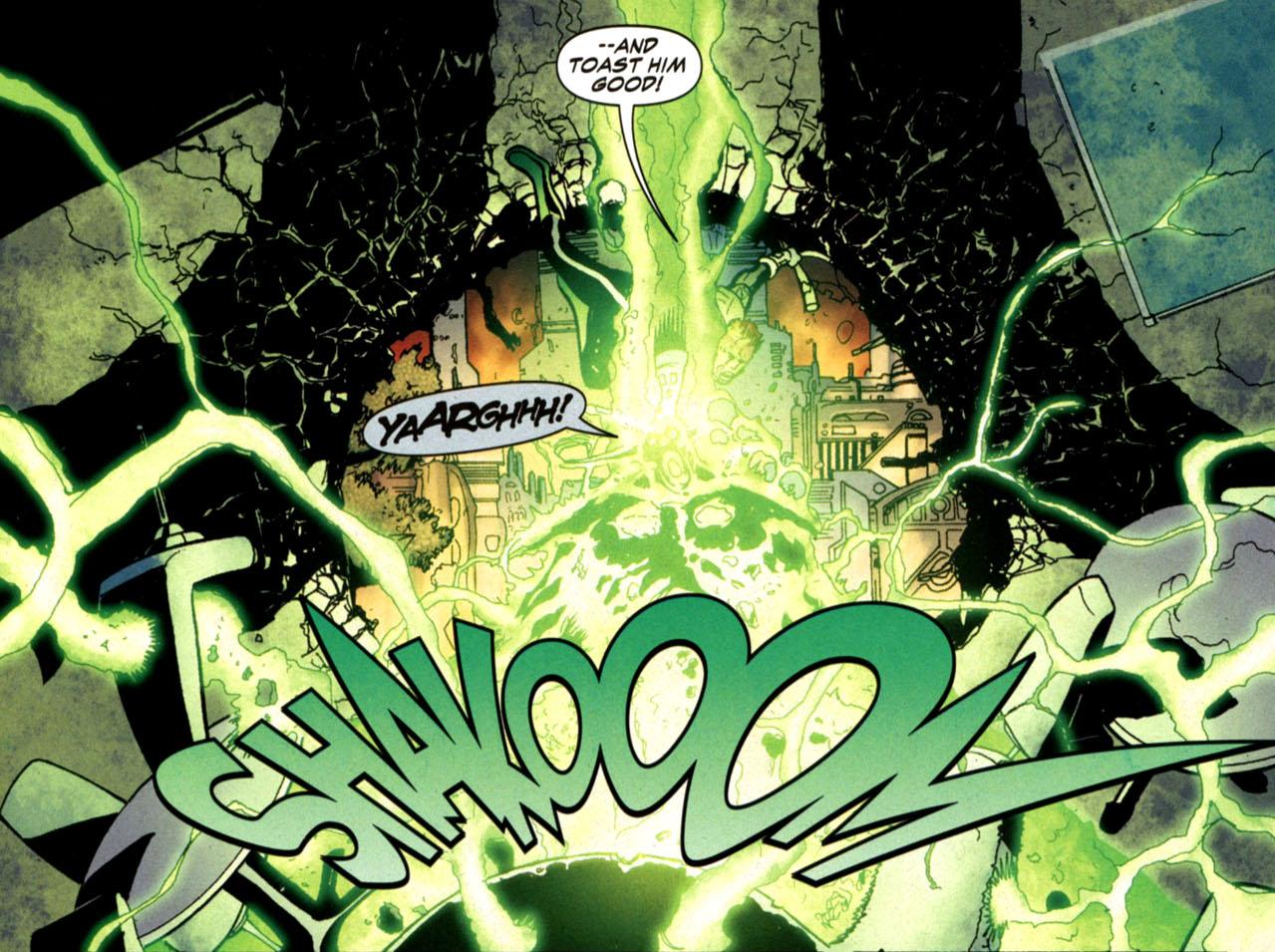
Green Lantern Corps #44
Green Lantern Corps #44
This examination of Trojan is the first entry in what is hopefully a long-running and well-loved feature on my blog: Video Game Archaeology. For Video Game Archaeology I will search out games that I am personally unfamiliar with, games that I have never played, never seen played, even games that I have never heard of, and then I will play them. Also, I will try to find out their lineage and their importance, if they have any. I know that many games get forgotten not because they were badly made, but due to mnay reasons that have nothing to do with the games quality, like timing or trends. I hope that in my searches I will find some lost treasures, but more likely, I will uncover lots of junk. Is my knowledge of a game a good indicator of how well known it is? While I do not presume to know everything, I would say I have quite a bit of knowledge on the subject. The games do not have to be completely unknown; I am just hoping to avoid games that are well known.
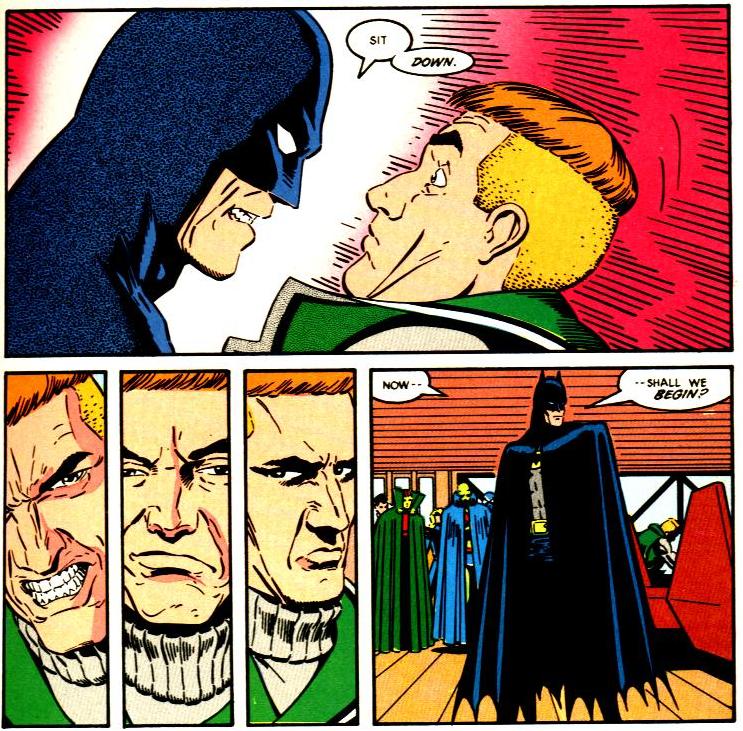
Justice League #1

Green Lantern Corps #19

Justice League #1
Green Lantern Corps
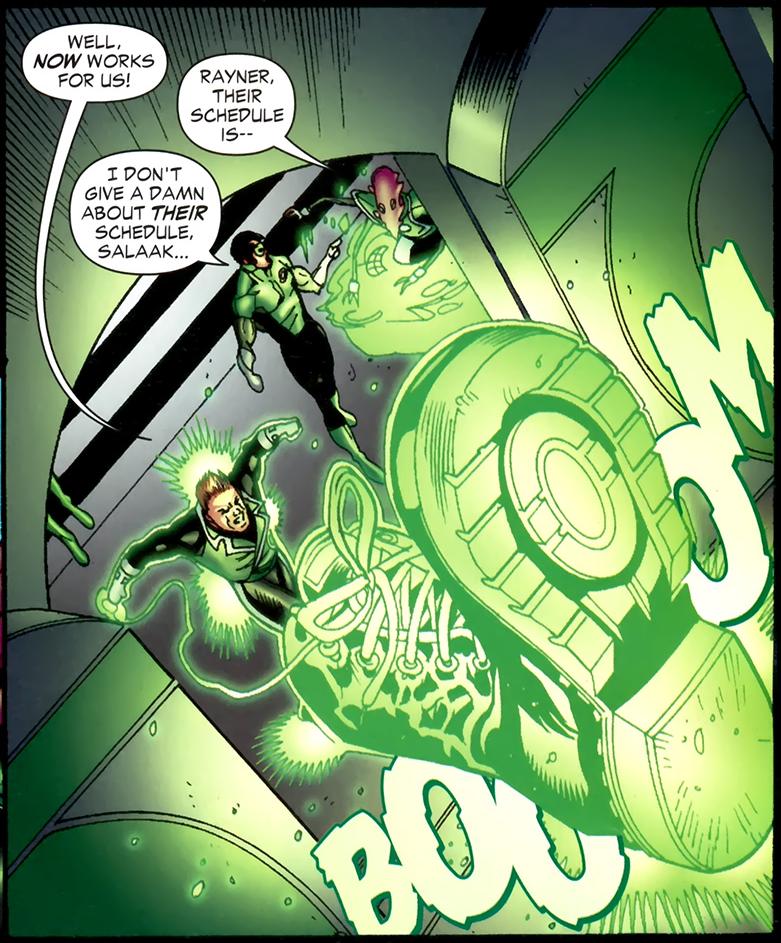
Green Lantern Corps #47
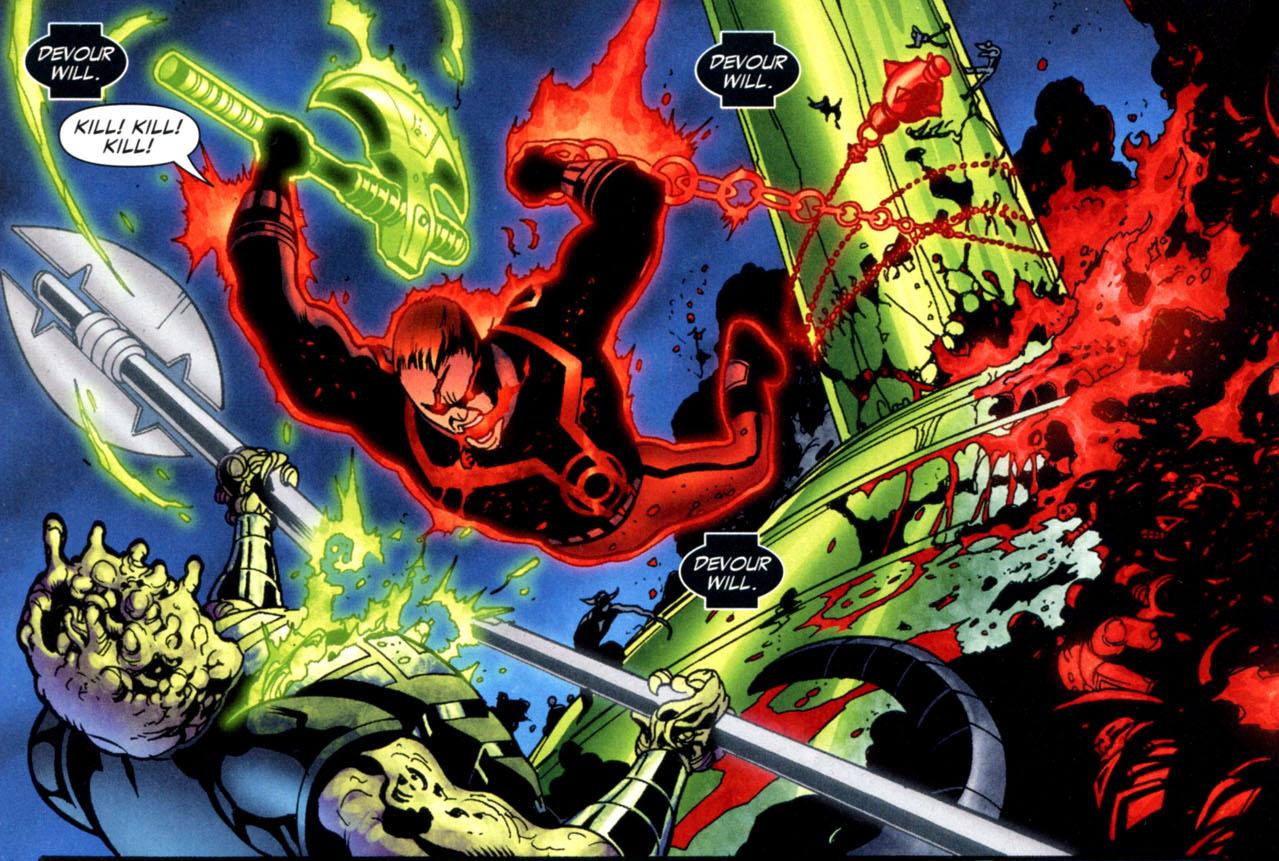
Green Lantern Corps #44
I am back to playing Dragon Quest VI on my DS. Like nearly every other entry in the series, I like it. The Dragon Quest series is comfortable. The games may no break much ground, but they are crafted with so much skill and affection that they never feel tired.
Dragon Quest VI highlights one of the series greatest strengths: the episodic nature of its plot. Some other RPGs do this to an extent as well, like the Suikoden series, but Dragon Quest is notable for placing greater focus on the trials and tribulations of each small town and their inhabitants rather than the larger world saving quest. Not that the world saving is ignored, just that the small vignettes are the focus and therefore more memorable. Dragon Quest VI puts even more emphasis on them than other Dragon Quest games. It really helps make the game world seem big and real when not everyone and everything is focused on the central conflict.
Unfortunately, DQVI also continues a trend in the series that is awful and inexplicable: hiding the job system. Nearly half of the DQ series uses a job system and all of them, save maybe DQIII that I have not played, bury it behind ten or more hours of the game. I just do not understand it. A job/class system is a real draw for me; I want to play around with teaching my characters interesting combinations of abilities. Why hide the game’s biggest draw behind a quarter game’s worth of simplified combat? The Final Fantasy games with job systems make it available within an hour of turning the game on. They limit the class options, but still allow the player some early choices. I would rather DQ do that than just dump the system on the player after ten rote hours.

Justice League Classified #7

 Skociomatic