With 2011 coming to a close, I am looking back on the games that I played this year and like all great minds, I am making a top 10 list of my favorite games. Now, I am limited to only Wii and handheld games, since those are the only systems I own and I only played about 20 new games this year. Most of what I played was several years old at least. So this is a somewhat limited list. Let’s get on with it.
10. The Legend of Zelda: Ocarina of Time 3D
This is still a phenomenal game, even after 15 years. The only reason it isn’t higher on the list is that it is an only barely touched up port of a 15 year old game. Still, it is a good port of a great game. If you haven’t played Ocarina of Time, what is wrong with you?
9. Okamiden
If I had stopped this game halfway through, it would probably have been 4 or 5 spots higher on the list. Okamiden started out a delightful romp, but the longer it went on the less fun it was. It looks and sounds great, but the early simplicity is replaced not with increasingly complex difficulty but with sheer tedium. It is hard not to compare Okamiden to the DS Zelda games and find it lacking. It has a cohesive, explorable over world, but it stumbles nearly everywhere else in comparison. Still, it is a very good game, if not a great one like its predecessor.
8. Pokemon White
It is a new Pokemon game. There are a number of changes on the periphery, but the core gameplay remains unchanged. I plowed through to main game right as I got this, but haven’t felt the need to go back for the post game yet. Still, it’s a Pokemon game, you already know it you like it or not. I do like it.
7. Kirby: Return to Dreamland
This doesn’t quite reach the magical heights of Nintendo’s best games, but it is still a terrific co-op plat former. This is the game Kirby fans have been waiting for since Kirby 64 and it didn’t disappoint.
6. Professor Layton and the Last Spector
More Layton is always good. There is little new in this fourth entry (except for London Life, which I’ve barely touched) but as long as there are new puzzles, I’ll buy new Layton games. Plus, newcomer characters Emmy and Inspector Grosky are some of the best new characters of the year. Good, good stuff.
5. Solatorobo: Red the Hunter
Solatorobo is a game that whatever its faults, of which there are several, it is so earnest and heartfelt that is it hard to hold it against the game. It is a delightful romp through a charming, fantastical world. Sure, the game never really moves beyond picking up things and throwing them at enemies and the plot goes off the rails near the end but the bulk of the game is pure cheerful fun.
4. Kirby: Mass Attack
While Return to Dreamland was a classic Kirby platformer, Mass Attack is one of the pink blob’s experimental games. One that worked out better than most. It is a surprisingly intuitive combination of platformer and RTS that is simply a blast to play. If you own any sort of DS you should own this title.
3. Ghost Trick: Phantom Detective
This comes from the makers of Ace Attorney, and obviously so. It has the same wacky yet dark story and some top notch writing. The story is really great and the puzzle-y gameplay is nearly perfect.
2. Tactics Ogre
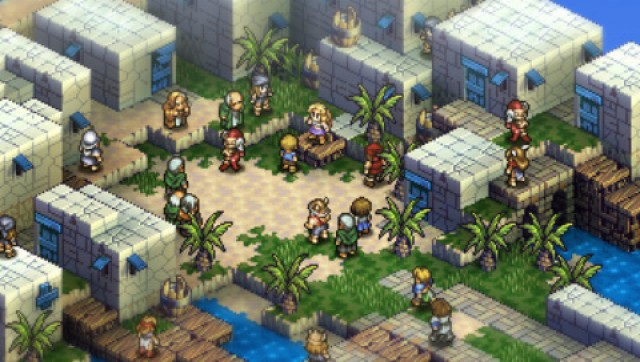
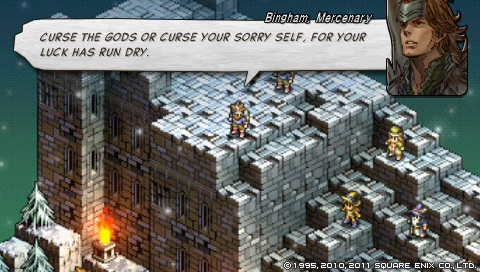
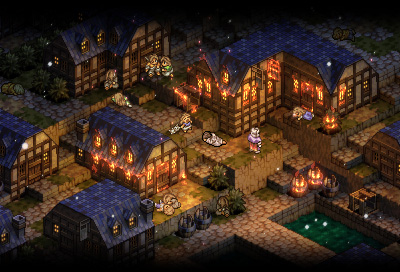
I love a good TRPG, and this remake of Tactics Ogre may be the best I’ve ever played. It comes from the same stock as the classic Final Fantasy Tactics and it shows. I put more than 60 hours on this thing and didn’t quite beat it. This game is nearly perfect.
1. The Legend of Zelda: Skyward Sword
This isn’t even close. I loved Skyward Sword. I loved every part of it. The new run button, the motion controller sword fighting, you name it. Plus, Groose is the best new character of the year. Every part of this game is great.

 Skociomatic