Stopping at Fourside

Like any right thinking person, I was elated last year when Earthbound finally hit virtual console. I don’t know what caused Nintendo to hold it back for so long; maybe it was the rumored problems with some musical sampling, maybe NOA President Reggie Fils-Aime loves to feast on fans tears. No matter what held it up, the game’s digital release was a cause for celebration. I quickly purchased it and got to playing. I didn’t finish, though.

earthbound4

I have finished Earthbound before. My brother and I borrowed it way back in the summer of ’98 or ’99. I was about fifteen, he was a year younger. We each had our own files and we took turns as best we could. I mean, we fought over who got to play and who got to play first, but we each got roughly the same amount of play time. The two of us play games differently. I am all about the experience. I like to explore, but I am generally about pushing the game forward. I want to get to the next area, to beat the next boss. I have no problem experimenting with strategies or different skills, but I don’t tinker just to tinker. If I have a strategy that works, I see no reason to change it. My brother, on the other hand, tends to master games. He loves to experiment with the game. If he gets a new attack, he will try to find a use for it, even if it doesn’t appear immediately useful. That also means that he has a tendency to grind. He will find out how everything works and how to game the system. What does that have to do with Earthbound? When we played I rushed ahead, speeding through the game to Magicant. There I promptly got stuck, dying repeatedly against Ness’s Nightmare. My brother was a little behind me, but he was also several levels higher. When he got to Magicant, me being the inconsiderate teenager I was, I played off of his save to the end of the game. I only saved once, but it was enough to rob him of some of the enjoyment of playing the game. I was an asshole, but an asshole that had beaten Earthbound.

earthbound2

Since then I have not been able to beat the game. It is not some sort of Karmic justice, just the reality of not owning the cartridge. I didn’t have the game, so I couldn’t play it. I did make several attempts at emulating it. The first time I spent a few leisurely weeks meandering through the first couple of areas of the game. I got to Fourside, and then my save disappeared. I don’t know what I did, it was just gone. I tried again a few years later, but my laptop died right around the time I reached Fourside. A few years ago, right around the time that the Mother 3 translation came out, I tried once more only to get distracted about the time I got to … Fourside. Just last year, when Earthbound finally reached Virtual Console, I played it right to the point where I got to Fourside.
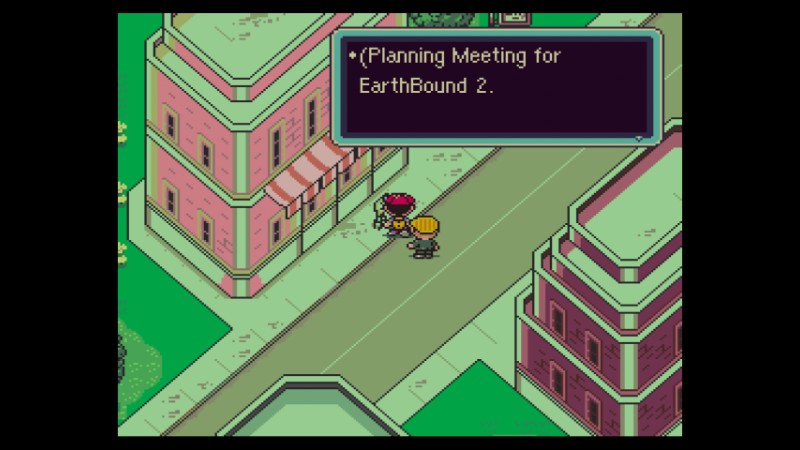
earthbound3

I know the first half of Earthbound as well as I know any game. I could play through Final Fantasy VI, Chrono Trigger or Suikoden II in my sleep. The same goes for Earthbound up to Fourside. After that, I am less sure. I remember parts of it, a desert, Magicant, Poo’s Cloudy home, but I am not sure of the order or the exact trials the player faces. The memories are there, but they are foggy. I feel like I’ve failed somehow for not playing this game more; like I am a poseur only pretending to be a fan. Especially now that I actually own the game. Now that I do own the game, I really should beat the game again. That is what I am trying to do before Bayonetta 2 hits later this month.

earthbound

As for Karmic justice, that hit me as well. About five years ago now that friend that I borrowed Earthbound from was selling all of his old video games. He needed some cash. While he was more than happy to take the game shops offer for games like Ultraman or Eye of the Beholder for SNES, but their offer for Earthbound was insultingly low. My brother, who just happened to be with him at the time, offered him twice what the store was for the game. So he is now the owner of the copy of Earthbound we played as children. He deserves it.

Top 5 Friday Favorite Books

Another Top 5 Friday. Favorite books this time, with the one stipulation that no more than one book by any author appear on the list.  One thing I like about making these lists is that they help me realize things about my tastes that I wouldn’t on my own.  Four out of the five books on this list deal with metafictional themes, as do some that just missed the list, like Jonathan Strange and Mr. Norrell.

5:top51

The Dragon Reborn.  Robert Jordan – The Dragon Reborn is on this list as a placeholder of the Wheel of Time as a whole. I unabashedly love the series. The world Jordan created in this series is just so well realized and the characters that populate it are so real. TDR is the book where the series really comes into its own, with the protagonists finally starting to act as much as react to the events going on around them. I love this book.

4:top52

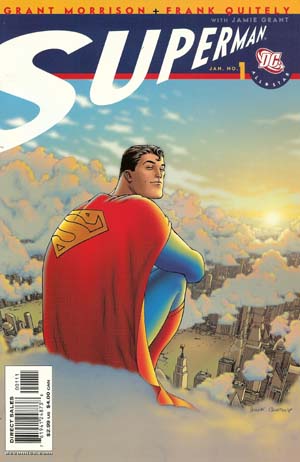
All-Star Superman. Grant Morrison & Frank Quitely & others – I debated on whether or not to include a comic on this list, but since All-Star Superman is a completed work in and of itself and it is stupendously great, I put it on here. Honestly, this is just one of the best things I’ve ever read.

3:top53

The Amazing Adventures of Kavalier and Clay. Michael Chabon – Chabon is the best and this is his best work. Kavalier and Clay is about two young Jewish comic book creators and their personal and professional struggles starting in the late 1930’s. I don’t want to give anything away; just read it.

2: top4

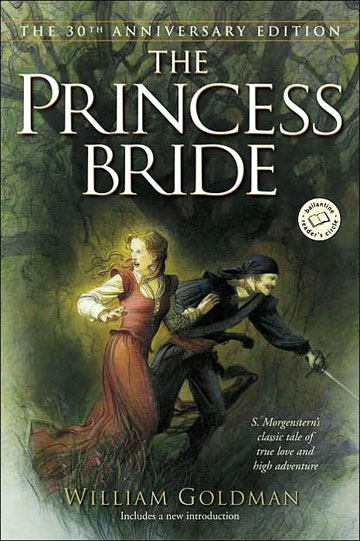
The Princess Bride. William Goldman – I had long loved the movie, so when I heard there was a book, I quickly snapped it up. Written by the same person who wrote the screenplay, the book is largely the same as the film, but where it deviates it generally improves. I realize the book came first, but that is the opposite of how I encountered them.

1:top55

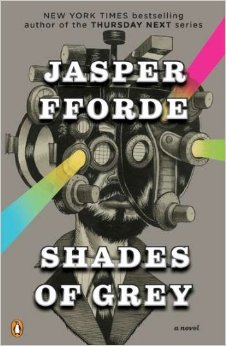
Shades of Grey.  Jasper Fforde – Another author I love. Fforde’s Thursday Next books are uniformly excellent, but with Shades of Gray he takes things to another level. It is more serious than the Thursday books, but it doesn’t lack the wit. It is a simply amazing dystopian story.

2nd Quest: Spirit Tracks

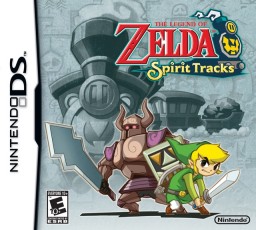
The Legend of Zelda: Spirit Tracks is a very good game. It fixes all of the problems of its predecessor on the DS, though not without adding a few of its own new ones, while keeping that game’s strengths. Despite this, I would definitely consider Spirit Tracks to be one of the lesser Zelda games. It does everything it does well, but it lacks the one thing that makes the Zelda series so notable: ambition.

The_Legend_of_Zelda_Spirit_Tracks_box_art

Spirit Tracks is a small game. And a familiar game. This is not the smallest Zelda game, Minish Cap feels a lot more constrained. It is not the first game to build off the set up of its predecessor, Majora’s Mask plays almost identically to Ocarina of Time. But it is the first time that a Legend of Zelda game brings almost nothing new to the table. Ocarina of Time brought the series to 3D, Majora’s Mask has that whole 3 day cycle going for it, Wind Waker has sailing, Phantom Hourglass had a completely new control scheme, etc. Spirit Tracks is a refinement of Phantom Hourglass, but little else. It does have a new setting going for it, but other than switching out the ocean for the train that setting is largely the same as Phantom Hourglass. It’s only real innovation is the games obnoxious instance on using the DS mic for playing instruments and using weapons. That is also the games worst feature, by far. The biggest fault the game has not that it fails in any way; it is that it doesn’t try.

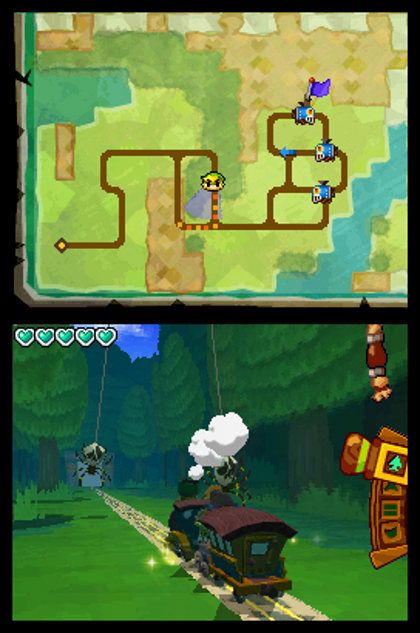
It does fix most of the problems from Phantom Hourglass. I thought the controls worked well in PH, but they are just that much more responsive and effective here. It is mostly slight changes, like a double tap rolls instead of drawing a curlicue, but they add up for a noticeably better controlling game. It also fixes the central dungeon idea that integral to PH. While there is still a central dungeon, but all of my complaints with it are fixed. It is no longer timed and you no longer have to repeat sections of it. The stealth segments are still there, but divorced from the other elements they work.

the-legend-of-zelda-spirit-tracks-train-boss-screenshot

While the first couple dungeons are rather simple, they ramp up to a satisfying complexity. It works with a limited array of tools to make the player think his way through obstacles. Instead of relying heavily on the tool found in each of the elemental dungeons, all the previously acquired tools are put to use. From the third dungeon on they are all excellent. The one fly in the ointment playing this game are the Locomo Flute Duets. I complained about them when I first reviewed this game, but this time I didn’t have as much trouble with them. In fact, I passed all of them but one on the first try. The thing is, I have no idea what caused me to fail the one time I did. The game does not provide any feedback as to what you are doing wrong when you fail. It just makes you start over The time after I failed I just about gave up since I did so badly, but the game decided I did it good enough to pass. What is most frustrating is not the failing, it is the lack of feedback.

zelda-spirit-tracks-forest-420

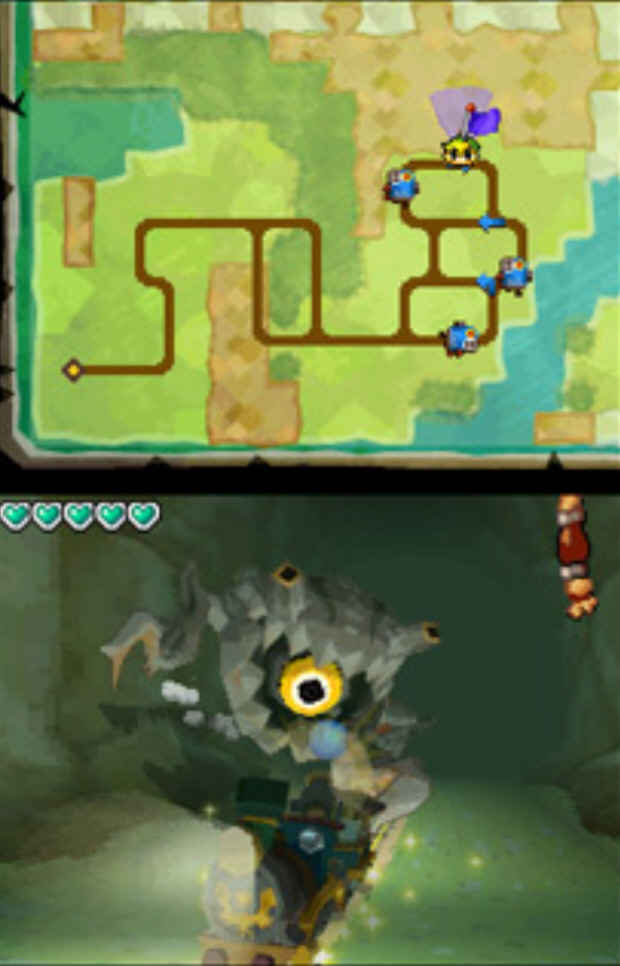
The one problem that wasn’t fixed is the overworld. It is still stifling and small; a chore to explore instead of joy. Having just played Twilight Princess the contrast could not be more stark. TP has an expansive, interesting world, Spirit Tracks has a series of rail, including some that only appear when you find certain items. It is no fun. And this game has a world that I’d like to explore, but I can’t because the game sticks you to the rails

The Legend of Zelda Spirit Tracks is not a bad game. For the most part, the game is excellent. It just lacks that creative spark that makes this series one of my favorites. There are other games that I would definitely call other games in the series failures, but none exhibit the total lack of ambition that Spirit Tracks does. It just feels kind of by the numbers, which is a huge problem.

What I Read in September ‘14

I didn’t do enough reading in September; of course, I often say that no matter how many books I read. My goal is four books, though, and I didn’t reach that milestone this month. I just didn’t spend the time reading that I normally do. I expect to get more reading done in October, though I don’t know how much more. Probably the next Outlander book, a Christie and maybe something more.

tbh

Busman’s Honeymoon

Dorothy Sayers

This is the final Peter Wimsey mystery and I didn’t like it much at all. It was apparently adapted from a play, and it reads like it. Much more of the story is told through dialogue with minor characters, with much less time for the protagonists. This story does include Lord Peter and Harriet’s wedding. That early section of the book is great, but it has little to do with the mystery. It goes on for a good quarter of the book and gives a nice send off for some of the smaller supporting characters. Then there is the mystery in the middle; this is the part that feels like a play adaptation. The majority of the dialogue is told through cumbersome dialogue. It also makes it harder to get into the mystery. That mystery is also meaner than the norm for this series. It ends with what feels like a final wrap up. Lord Peter is less sure of “hobby” as a detective now that he is married. Also, he was disgusted by the petty monstrousness of this case. It provides a fitting, if somewhat depressing, end to this series.

tfc

The Fiery Cross

Diana Gabaldon

This fifth volume of the Outlander series follows Claire and Jamie as it draws close to the start of the American Revolution, as well as a community starting to form around Fraser’s Ridge in the North Carolina back country. The Fiery Cross largely continues plotlines started in the last book, like dealing with the despicable Steven Bonnet and the growth of Brianna and Roger’s relationship. It seems significantly slower paced than previous books. The first quarter or so of this 1000+ pages long book take place at a Gathering of emigrated Scots, where both Brianna and Rogers and Duncan Innes and Jamie’s Aunt Jocasta’s weddings are scheduled. Little events, eventually important little events, keep dragging this scene out further. It is simultaneously amazing that Gabaldon keeps the scene moving without really moving anything and frustrating that that is how the book starts.

The one big development in this book is the complete dismantling that Roger goes through. He was a university professor in the twentieth century, with skills that aren’t exactly useful in the frontier of the eighteenth century, but he made due. Over the course of this book, Roger is crushed even further down. His attempts to learn to shoot end when he discovers that he is physically incapable of being a good shot. While early in the book he is lauded for his musical skill, which is soon taken from him as well. There are always difficult trials that characters face, but few times in this series has a character taken the brunt of misfortune that Roger faces in this book. While this book does move ponderously at times, there is a central mystery that ties it together nicely.

tga

The Guns of August

Barbara Tuchman

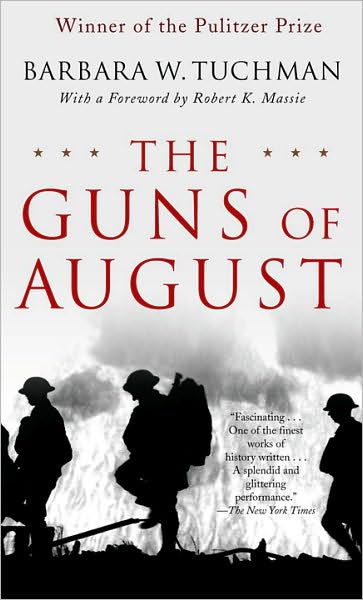
This is an exhaustive look at the first month of the start of WWI, as well as the days the immediately led to it. It is a fascinating read, illuminating the characters of the men in charge while also clearly illustrating the sequence of events. What comes across most clearly is the arrogance of everyone involved. The French had their plan if it came to war, and they were going to stick to it no matter what the situation actually was. The Russians were completely disorganized and incompetent, with their entire government crumbling. Germany was flush with economic and military success and eager to expand their country. All of them thought any conflict would be short lived and decisive. That arrogance is most apparent with Germany’s decision to invade Belgium. If they would have avoided it, then there was a good chance that Britain would not get involved or at least not involved as fast. But they didn’t think that Belgium would fight. The idea that they might not like the idea of being conquered by Germany seems to have never occurred to them. They somehow didn’t expect the reaction they got for burning their way through a country that had been neutral. The personalities of the leaders come through, as well. None are shown to be true villains, but neither are any portrayed as heroes. One of the most fascinating was Joffre, the Commander in Chief of the French Army. He stuck to his initial plan, despite what the Germans were doing not matching what he expected. But he also helped maintain control during their retreat without breaking.

The one weakness of The Guns of August is that other that a few chapters covering a naval engagement and Russia’s disastrous campaign against Germany in the East, it is almost totally about the Western front. Weakness isn’t really the right word, I guess. That’s just not what the book is about. For example, it does give just enough of a glimpse of the goings on to make me want to know more about Russia’s war with Austria. Still, I am sure there are other books about that very subject; I just need to read one of those.

Now Playing in September ‘14

I actually played a lot of games in September.  I got through a couple of PS3 games that have been sitting on my backlog, as well as a couple of smaller download titles on the WiiU and spent a bunch of time with a couple of great 3DS games.  It was a good month, especially with the fall release season starting to heat up.  In October I’ve got Smash Brothers and Bayonetta 2 coming, assuming that I can keep from jumping on any of the other games that I’m on the fence with, like Hyrule Warriors and Theatrhythm Curtain Call.

Beaten

Professor Layton versus Phoenix Wrightwrote about it here

Metroid Fusion –

np1

This game is simultaneously loved for being a new 2D Metroid game that came almost a decade after Super Metroid and hated for not being Super Metroid. Both stances are valid. Fusion is not as good as Super Metroid; it has some serious handholding flaws. But the further we get away from the Golden Age of Metroid (2002-2007, which featured Fusion, Zero Mission and the Prime Trilogy) the better the games from then start to look. Despite losing two buttons from Super Metroid, Metroid Fusion plays great and it looks great. I actually really like the story it tells, though it sows the seeds for the storytelling tragedy that is Other M, but I wish it could have told its story without railroading the player quite so often. Still, this is a very good game.

Smash Bros Demowrote about it here

Teslagrad – This is exactly the kind of game I hope for when I pick up download and indie titles. It is a small, but delightful metroidvania game. It also tells a story without flooding the game with words. All of the abilities the player gains add to his mobility; giving the player a terrific sense of empowerment. A lot of it based on a kind of polar magnetism. The player must use positive and negative polarity to push and pull the character through death traps. It is just a joy to explore this game. The one fly in the ointment are the bosses. They are just a little too long when the player can only take one hit. Yes, checkpoints are frequent so death is not that great an impediment, but the bosses were anti-fun sticking points. Still, Teslagrad is an excellent game.

Tomb Raider (2013) – This game got a ton of praise last year and as a fan of some previous games in the series I was eager to play it. Tomb Raider does a lot of things very well, but it is a prime example of my current disillusionment with the AAA marketplace. It takes a series that was largely about exploring a 3D space and replaces that with, what else, shooting. It turned the game into primarily a shooter. I’ve got more about this game coming soon, but for now I’ve got to say that it sucks that everything has to be a shooter to get any attention these days.

Metal Slug, Metal Slug X and Metal Slug 3 – My friend and I got together one day and ploughed through the first three Metal Slug games, with the superior remix X replacing 2. I love this series. As far as I’m concerned it is the best run and gun series to exist (screw you Contra!). I try to make it a yearly thing to play a few of the good games in this series. Hopefully soon I’ll have time to get to 6, if just to punch tanks with Ralf. This series is just pure fun.

Sly Cooper Thieves in Time

np3

I greatly enjoyed the Sly Cooper Trilogy on the PS2. The first had promise, but was somewhat limited. The second fulfilled that promise and was one of the great platform games from that generation. The third game, while still good, faltered under the built up cruft of the series. The fourth game in the series is much like the third game. It is still a good game, but too much of the game is not about Sly Cooper performing heists but instead about increasingly ridiculous and tenuously tied to goal missions involving Sly’s buddies Bentley and Murray. It just tries to do too much, distracting from the very good core of the gameplay.

Ongoing

Yakuza 4 –

np2

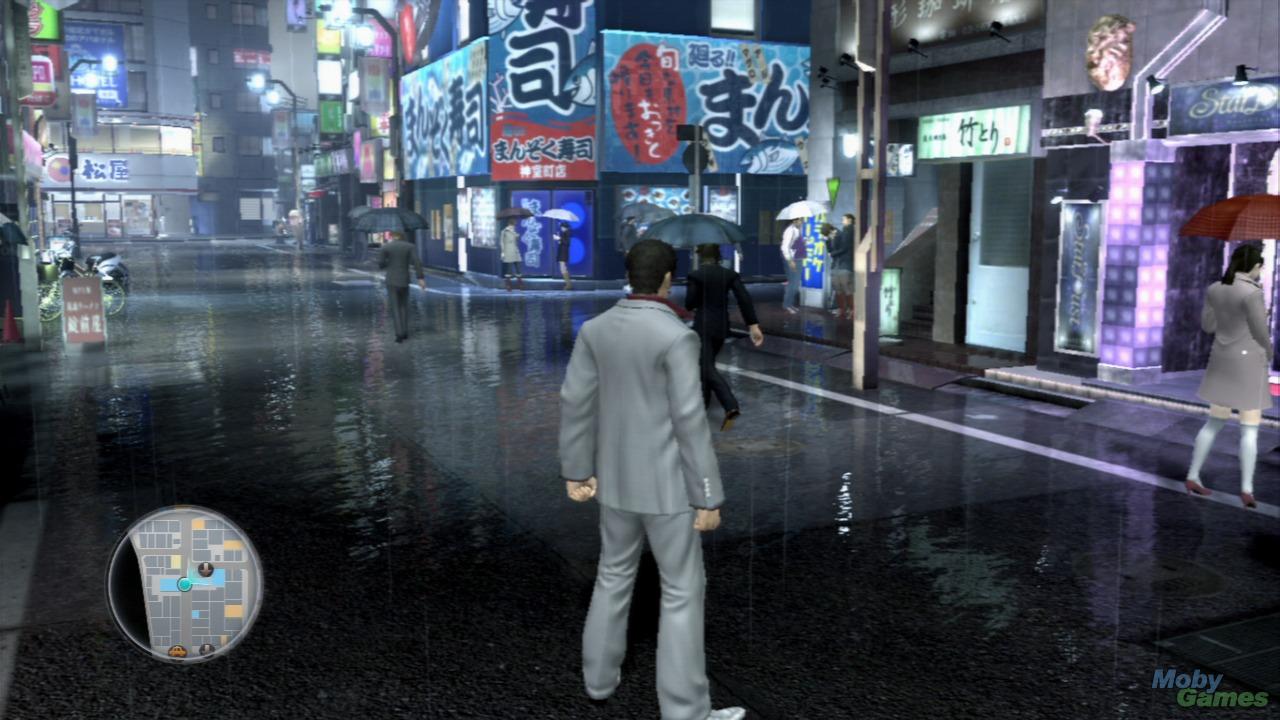
I just got started with this, only playing the first episode so far. It looks and plays like Yakuza 3, which is a very good thing. If you are not familiar, Yakuza is like playing a Japanese crime movie with a touch of great video game logic.

Tomb Raider Underworld – I’ve played through the first area or so, but I have thoughts on this game. Once I finish, I think I’ll write something about this and Tomb Raider (2013). My biggest takeaway so far is that Lara is disturbingly out of place in this game. Or at least her character model is. The rest of the world looks realistic, Lara is a cartoon. It doesn’t fit together.

Persona 2: Eternal Punishment – I haven’t put all that much time into this. I am eager to dig in, but I’m playing it on my PSP and my handheld time has been taken by other games, and will continue to be for the foreseeable future. Through a couple of hours, it seems much like its other half, Persona 2: Innocent Sin.

Persona 3: The Answer – I started this up as well, but the reports of its difficulty make me wary. As much as I loved Persona 3, its difficulty was occasionally unfair. It wasn’t too hard, but it would be cheap and cost the player an hour or so of playtime. From what I’ve heard, this game features that sort of thing more heavily. I’m not stopping already, but I did allow myself to get distracted by a lot of other games.

The Legend of Zelda Spirit Tracks – I should be finishing this up in the next couple of days, with my 2nd Quest post to follow. It improves on Phantom Hourglass in just about every way, but it still feels lacking.

Upcoming

Bayonetta 2 – This hits at near the end of the month, and my frothing demand for this game increases.

Legend of Zelda: Skyward Sword – Once I finish with Spirit Tracks, my Zelda series replay is down to just this and 4 Swords Adventure. I am going to get this done before the end of the year.

Okami HD – I picked this up on sale from PSN, making it the third time I’ve paid for this game. One of my absolute favorite games. I can’t wait to dig into it.

Smash Bros 3DS – It hits tomorrow. I will play nothing else for at least a week. I can barely form words, let alone string them together into coherent thoughts. I want this game.

Outlander

I’ve been trying to write a post about Starz new show Outlander for the month or so; pretty much ever since the first episode went up online at the start of August. The show is great, but I have been having trouble organizing my thoughts into a coherent post. While I am a fan of the book that this series is based on, it is not something I tend to bring up a lot. The thing about the Outlander series is that it is seems targeted at, or at least enjoyed by, women and I am an insecure little baby. It is not something I should care about, but I find it hard not to. The idea that certain kinds of media are inherently masculine or feminine is artificial and limiting. The advertising for the TV adaptation is definitely targeting women, but that shouldn’t stop anybody from watching it.

The press I saw for the show before it aired seemed to be setting up Outlander to be Game of Thrones for women. It is only really similar to that show in that it is based on an extensive book series that can roughly be called “fantasy.” Of course, Outlander’s fantasy is actually just 18th century Scotland, but that is essentially the same thing as far as anyone living in this century knows. Otherwise, the two shows don’t share all that much. (I’ll be honest, I’ve only watched about half of the first season of GoT, but I have read the first four books and I don’t care to watch the things I read played out on TV. It just isn’t my cup of tea.) It does have moments of graphic violence, but they are few and rely in their rarity for their impact. Much of the story is largely pleasant historical fiction. What makes it supposedly for women is that it can largely be called a romance and that the protagonist is a woman. That, though, ignores all the other elements that make Outlander enjoyable.

Anyone who doesn’t tend to enjoy romance shouldn’t let that dissuade them from giving the show a try. Outlander is a story that doesn’t fit neatly into any genre. It has elements of historical fiction, adventure, fantasy and romance. And the romance angle largely fades after the first book. It doesn’t go away; it is an integral part of the series, but the focus shifts more to the historical fiction and adventure parts. The way all those elements come together is a big part of what makes the series so enjoyable.

Outlander also has an excellent protagonist in Claire. She adapts to large parts of her predicament quickly and is generally intelligent and capable. It is also genuinely and truly from her perspective. The book was first person and the show keeps much of her narration, which gives people a clear perspective on her charms and flaws. Like all great character’s, Claire’s flaws really help make her real and entertaining. For example, she is often too free with her comments for the men, and women for that matter, of that age. She also tends to act, at least on seemingly small issues, without putting much thought into the consequences. Claire, coming from the relatively empowered society of WWII Europe, understandably struggles to adjust to the rigid gender roles of the 18th century. While Claire struggles with that, she never stops being the driving force in the story.

The show itself is really good. It is slow, but it is a confident sort of slow. Outlander has a story to tell and it is not going to rush the telling. The crux of the series, Claire being whisked back in time away from her husband Frank, doesn’t occur until nearly three quarters the way through the first episode. They take plenty of time to set up the relationship of Claire and Frank; that relationship is an important factor that is necessary to the bulk of the following episodes. Once the show gets to the past, it lets the viewer get to know the world that Claire has found herself in. It is a largely faithful adaptation of the book, but not one afraid to move some pieces around to make the show on an episode to episode basis. The cast all give excellent performances, the set and costume design is astounding and the sound is terrific. The biggest flaw of the show is the heavy handed narration. Getting Claire’s perspective on the goings on is vital to the show, but in the early episodes the narration simply feels insecure. Claire unnecessarily narrates things the viewer’s just watched, not trusting them to understand the nuances.

Outlander, at least through the first half season, is not the best thing ever. It is a solid, thoughtful adaptation of the novel, but most of the best parts are in the back half of the book. These episodes do a lot of heavy lifting setting the world of this show up, but the break occurs before the payoff. Hopefully the show can nail that payoff.

I’ve Got the Smash Bros Fever

We are one week away from Smash Bros 3DS and I couldn’t be more excited, a huge change from where I was about a month ago. I was excited for Smash Bros then, but not for the 3DS version. All of my excitement was reserved for the WiiU game. Unfortunately, at that time the release day for that version was unknown, while I knew the 3DS one was hitting in early October. I didn’t really care about it, but I was planning on buying it; it’s not like I was going to not play new Smash Bros if it’s available. In the last couple of weeks my outlook has changed entirely. All thanks to the demo that Nintendo distributed.

Since I earned Platinum Status in Club Nintendo (of course I did) I not only got early access to that demo, I got codes for four demos. So shared a couple with my brothers and one with my cousin and we played some Smash. According to my 3DSes internal clock, I’ve played that demo for just short of ten hours so far. With just the demo! I expected the 3DS game to feel compromised, to feel like it had been cut down to fit on the handheld. While the demo is only a tiny slice of what appears to be a humongous game, it didn’t compromised at all. The controls, other than the fact that they are not customizable in the demo, are perfect and the game runs as smooth as butter. It doesn’t look great in stills, but in motion the game looks great. With three people playing, plus one computer opponent, the game didn’t slow down at all. I thought it would feel cramped, but it really doesn’t. Each of the five available characters feel unique, but worthwhile. If the rest of the cast plays half as well as this crew, I don’t know when I’ll ever quit playing Smash Bros.

Those five characters are Mario, Link, Pikachu, Villager and Mega Man. It is a pretty great sample of what the game has to offer. Mario, Link and Pikachu are the stars of Nintendo’s biggest franchises, Mega Man is the highly anticipated guest star and Villager is the representative of Nintendo’s latest upstart hit. It is good cross section of the available fighters. I’m no fighting game expert, so I can’t put together and in-depth evaluation of their strengths and weaknesses, but I did get a general feel for them.

First, the returning characters. Mario is, as always, vanilla. He is pretty agile, has some range and just enough power. I don’t really feel the need to use Mario when other options are available, but he is decent. Link was one of the biggest disappointments in Brawl. He wasn’t that strong, but he was slow. There really wasn’t anything that Link did well that similar characters didn’t do better. If you wanted a heavy with a sword, just use Ike, if you wanted something speedier you could use Toon Link. Regular Link sucked. He is much improved here. He seems to be a little more sturdy and powerful. Pikachu is a character that I’ve never really used. He is an annoyance; fast and just strong enough to cause problems. He feels much like he always has, but I’m not a Pikachu player.

The newcomers, though, are a lot of fun. Villager doesn’t feel particularly effective, but his moves are off the wall enough that he is enjoyable anyway. His tree planting/chopping attack is super unwieldy but also super powerful. He can grab just about any projectile, hide in his pocket and throw it back at his attacker. Figuring out just how to use him is difficult, but the results are almost always entertaining. Mega Man is my favorite so far. His regular attack, his classic buster, is not a particularly effective attack. It can annoy and help keep distance, but isn’t really the centerpiece that most characters attacks are. His smash attacks, though, are almost uniformly excellent. Taking the form of his special weapons from his other games, they are all situationally useful. He is another character that takes some getting used to, but once you figure him out he is great.

Aside from the characters, the demo also lets the player get a handle on some of the new items and weapons. There are plenty of small changes, the baseball bat is not aluminum, and plenty of new additions. The highlight so far is the wind bellow thing; I don’t know what it is called. On the one stage available it is worth almost two kills on its own.

Judging the game simply by the tiny sliver that is the demo, I am almost ready to call it my game of the year. It is a blast and I can’t wait to play the full version.

More on The Office: Ranking the Seasons

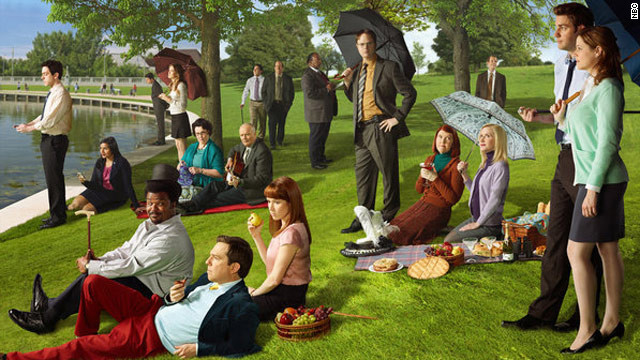
office2

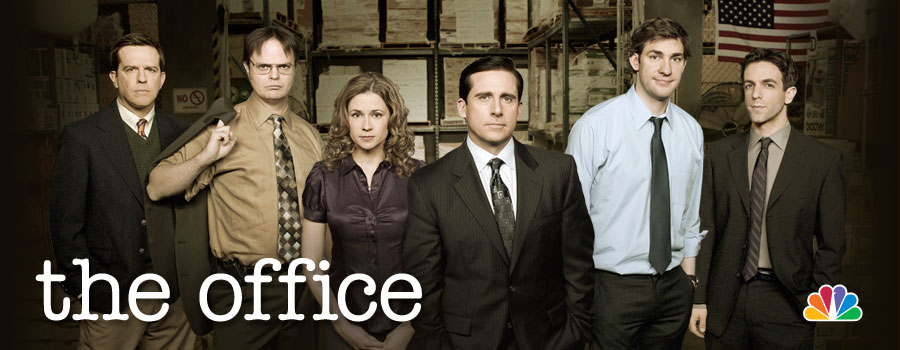
After completing my last piece on The Office, I didn’t feel like I wrote all that I wanted to about what is one of my favorite shows. Plus, I kind of felt like that last one got away from me at a few points. So I decided to write another post about the show. The Office is a show that ran for a long time and changed quite a bit while it was on the air. For a sitcom, it was also a show that told coherent stories with most of it seasons. So I’ve decided to rank each season from worst to best.

Season 8 – This is the first post-Michael season, and the show had no direction at all. They replaced with Michael with James Spader’s Robert California, a flatly terrible character. He started somewhat interesting, but the show spent more and more time with him and he never became less of an off-putting cipher. Around his unfortunate presence, the rest of the show felt like it was just going through the motions.

Season 1 – This is like an ugly little vestigial growth on Season 2. Season 1 is only 6 episodes long, and the show has barely begun to step out of the original British versions shadow. By the end of this season the show has started to morph into the great show The Office would become. There really isn’t an outstanding episode here.

Season 7 – Like seasons 5 and 6, 7 is another season with no cohesion. A lot of stories start, but they either fizzle into nothing or a rushed to their conclusions. The return of Holly is great, but her getting back together with Michael comes awfully fast. When Will Ferrell was brought on to be his replacement, everyone knew that it wasn’t a long term solution, but his arc is oddly paced, with him exiting just as fast as Michael. This season doesn’t even have good Jim/Pam stuff to back it up.

Season 9 – At least the show went out on solid footing. There are missteps in the final season, like what the show did to Andy. Really, this season badly mishandles that character. It makes up for it, though, but tells one of the best stories featuring a happily married couple on TV. The tension between Jim and Pam in this season is perfectly believable and within their characters. That relationship had been perfunctory, if still sweet, for most of the last three seasons. Here, it is something worth watching, even if the viewer never really believes their marriage was in trouble. Knowing that it was the end let the show move most of its characters into a happier place for the ending. It is not the best season of the show by far, but it is a solid ending to the series.

Season 6 – This is a season in search of an identity. There are so many abortive or rushed stories in this season. It is just a lot of brief ideas that come and go, with the season itself never really building an identity. Dunder-Mifflin goes from trouble to out of business in about 3 episodes. There is a subplot of Jim getting a promotion, but by the middle of the season things revert with no consequences at all. The only thing this does have going for it are the Jim/Pam episodes. The two part wedding and birth episodes are not really the best the show has to offer, but they are excellent personal episodes that cover ground this show usually avoids. There is scattered greatness in a mostly tepid season.

Season 5 – This season has the show really starting to show its age. The Office becomes a little crazier, significantly less grounded. It has some really strong episodes, like the extended Michael Scott Paper Company Arc, but mostly it is just treading water. The building Andy/Angela/Dwight love triangle comes to a conclusion in the most ridiculous fashion; it also has Holly for the first few episodes and the final malevolent appearances of Jan. Lots of things happening, but they lack the care and cohesion of the first few seasons.

Season 4 – This is the rise and fall of Ryan Howard. There is something missing with Jim and Pam being a happy couple for this season and the first few double sized episodes are badly paced, but once the season gets going it is pretty great. It has some of the darkest, most hilarious episodes in the series (The Deposition and The Dinner Party), but overall quality is not quite as high or steady as Seasons 2 or 3.

Season 3 – This one is just a small step back from Season 2. It adds Andy and Karen to the show, both excellent additions. It also reverses the Jim/Pam dynamic, making Pam the one yearning from the side at the Jim’s relationship. Pam goes through a lot of growing in this season, changing from the mousey secretary from the first two seasons to the more forceful character she would be for the rest of the series. It also ends the long simmering downsizing plot in a satisfying manner.

Season 2 – This one is on the short list of best TV seasons for any show. Each episode is essential to the overall plot. It largely redeems Michael, making him more pathetic than cruel. It also starts to develop the personalities of the supporting characters. You get to know a lot more about the likes of Kevin, Stanley and Creed. There are tons of classic episodes in this season, like Booze Cruise, Christmas Party and Office Olympics. The big draw is the Jim/Pam romance, most of which plays out in this season. It all comes to a head in the excellent Casino Night, when Jim finally makes his move.

office

The only season that is out and out bad is Season 8; it is almost unwatchable. Otherwise, even Season 1 has some redeeming qualities. Watching this show over the last month, seeing the end for the first time and the beginning for something like the tenth, it really just helps cement for me just how great this show was. Even with its low points, The Office belongs in the upper echelons of the sitcom pantheon.

The Ace Attorney Against the Archaeologist

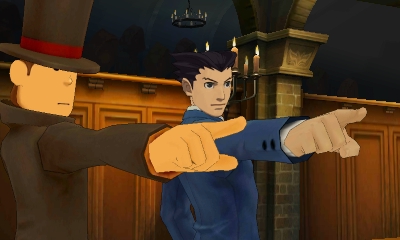
Professor Layton Versus Phoenix Wright is a crossover game that caters directly to me, featuring two of my favorite DS franchises, which makes me a somewhat sad that I didn’t enjoy it quite as much as I had hoped to. All the elements that make both series great are there, but somehow it doesn’t come together quite as well as the games from either. This is not a peanut butter and chocolate situation of two great tastes going great together; these two distinct flavors do not mix as well as one would expect.

aapl3

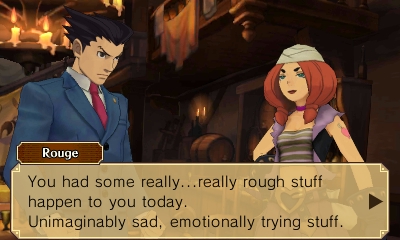
It is less a natural failure of mixing these two game series, but a failure of this specific game’s attempt at comingling those two worlds. While it was written by Shu Takumi the creator of the Ace Attorney series, Phoenix and Maya’s inclusion almost seems an afterthought. The structure of the game is much more like the Layton series, but the puzzles aren’t really up to snuff. Outside of the protagonist duos, the game does nothing to leverage the rest of these games excellent cast to help fill out the story. Finally, when it comes down to it, often this game just isn’t all that well written; a big problem when the game is essentially a visual novel.

It starts with Professor Layton and Luke having a girl show up on their doorstep in some sort of trouble. It is the starting point of most Layton games. Trying to help her out, Layton and Luke get pulled into a deeper mystery. And they get pulled into a mysterious book. At the same time, Phoenix and Maya travel from Japan America to England to learn from their legal system. When he gets there, he discovers that he has been put in charge of a case, a case involving the girl that Layton and Luke were protecting. After winning the case, Nick and Maya also get sucked into the mystery.

aapl2

While there are several cases for Phoenix to try, they are mostly unsatisfying affairs. Mostly because the legal system in the witch trials is pointless. It is annoying to use logic when the system itself ignores it. The rules in a regular Ace Attorney game don’t exactly make sense, but they are consistent. Cases build up to their conclusions. Here they tend to just go on until someone else admits to the crime. No matter how effectively you prove your client innocent, unless you can pin the crime on someone else it doesn’t matter. Yes, they are witch hunts; they have to find someone to blame things on, but it doesn’t make for a satisfying experience.

My complaints about the Layton portions are less pronounced. A lot of the puzzles are less brainteasers and more trial and error. There are also fewer of them than the usual Layton game. They are actually tied into the game more organically than usual, but at the cost of some of the Layton’s series unique charm.

aapl4

Outside of a cameo by Inspector Chelmey and Constable Barton, the supporting cast is all new. In a lot of ways this is a good thing, it lets the game tell its own story and build an organic way for these characters to interact. Still, the crossover appeal would have been stronger if they would have dug just a little deeper. Why does Flora constantly get shoved aside? Why couldn’t Gumshoe have shown up to bumble around with Chelmey and Barton? Maybe a role for Miles Edgeworth? While they definitely should not have been allowed to take over the game, a few more familiar faces would have been appreciated. Another problem is that the investigation group expands to five people, all of which have to give their two cents at every opportunity. It slows the pace down, particularly since Maya and Luke don’t really have much to do for the bulk of the game.

There are plenty of good things, though. The overall scenario is solidly entertaining, with a suitably Layton-esque escalation near the end. Both Layton and Phoenix get their chances to shine; opportunities to bring their unique skills to the fore. Plenty of the new characters are highly entertaining. There are some interesting advancements to the trial system as well. While letting the player cross exam multiple witnesses at once is kind of ludicrous, allowing the player the use pieces of testimony to point out contradictions to other witnesses is a nice touch.

aapl1

The game is pure fan service for fans of both series. It doesn’t make either of is separate parts better, but it doesn’t diminish them enough to make them unenjoyable. Plus, there is a good chance that this is the last we see of either of these protagonists. The Layton series is headed off to the unexplored territory of Layton 7, which is not going to be like the previous games in the series. And the Ace Attorney series is heading into the past for Great Ace Attorney, with Sherlock Holmes as a supporting cast member as they try cases in Japan’s America’s Meiji Period. Professor Layton Versus Phoenix Wright is not a perfect game, but it is a fine send off for two of the best new video game characters of the last decade.

Defending the Wii’s Legacy

Despite being the highest selling console of the last generation, I’ve noticed lately that the Wii has the reputation of being a failure. This is very wrong. While the Wii might not have the best library of games, it does have a particularly unique and varied one. The Wii is a console with more delightful experiments than outright masterpieces. Once the player moves past Nintendo’s first party offerings, separating the wheat from the chaff can be difficult, I know. However, there is a lot of good wheat to be harvested from the Wii’s crop of games. Not all of them are for everybody, but there are a ton of really good games. I really hate to see the system remembered as a novelty console with crap games. I am going to take a stand against this misrepresentation. This is the battle I choose to fight; this is my hill to die on.  No really, I just think it is a cool system with a bad rep.

wii1

You have to start with Nintendo’s not inconsiderable contribution to their cause. No one else may have been putting their A-Team on Wii games, but Nintendo had probably their best slate of first party titles since the SNES. Super Mario Galaxy and Super Mario Galaxy 2 are both absolute gems; two of the best games ever made. New Super Mario Bros Wii may not be quite that great, but there is little to match the joy of simultaneous 4-player Mario. The Zelda series had both Twilight Princess and Skyward Sword, each a somewhat flawed but still terrific game. While I acknowledge the troubles some people have with the controls, I will defend Skyward Sword to my last breath; that game is amazing. The system had a new Punch Out!! game and two Kirby games. It had Metroid Prime 3, the Prime Trilogy release and Other M (which as bad as it is as far as story goes, still plays fairly well). They put out a whole host of solid Mario sports and party games, a bunch of high quality casual titles like Wii Sports, Big Brain Academy and Endless Ocean. They published a good handful of RPGs like The Last Story and Xenoblade. The point is Nintendo simply killed it with will software on the Wii, even if they were determined to leave a lot of the interesting stuff in Japan.

The games not from Nintendo are much more hit or miss, but there is still a lot of good stuff across a ton of genres. The Wii gave a lot of developers a chance to try new things and bring back some old things. There are ton of great Point and Click Adventure games. Many of them are also available on PC, sure, but the ubiquity of the Wii seemed to be a factor contributing to the genre’s resurgence. Thanks to the wiimote working like a light gun, there are also a ton of rail shooters, like House of the Dead Overkill. Some people tried to bring popular genres like FPSs to the console, with some success in games like The Conduit and Red Steel 2.

wii3

The point of this wasn’t supposed to just be listing Wii games that are largely good. I could do that for a long time; there are tons of them. This is outlining a new mission statement. I want to use this blog to put a spotlight on Wii games. I want to highlight the excellent software that exists for the console. If I am being honest, this is partially motivated by the fact that a lot of these games are really cheap right now, so picking up interesting sounding title to see how good they actually are is not a cost intensive venture. It is easier to explore a system’s library when the bulk of that library can be had for next to nothing. This is an informal project I am going to keep at for some time. At least until I figure out to capture video so I can start my “SNES kid plays Genesis” series. My goal, such as it is, it to write about at least one unheralded Wii game a month for the foreseeable future.