La La Land Review

llandp

I had given up on seeing La La Land at a theater. While my local cinema had posters up for it for a while, they disappeared about two weeks ago. They pulled the same trick early in 2016 when they had coming soon posters up for The Nice Guys, which they never showed and consequently I never got to see on the big screen. But, miracle of miracles, it finally showed up last weekend. It is just as good as everyone says it is. La La Land is an inspiring romance

The movie stars Emma Stone as Mia, an aspiring actress working as a barista at the Warner Bros studio lot. She is cajoled into attending a party with her three roommates, which goes badly and her car gets towed. On her trek back home she wanders into the restaurant where Ryan Gosling’s Sebastian is playing piano. Despite some initial friction, they soon hit it off, with Seb sharing his love of jazz and Mia her love of old Hollywood movies. Both of them, however, remain unable to fulfill their dreams. Mia keeps getting auditions for lackluster parts and Seb is unable to pull together the funds to open up his desired jazz club. So when an old friend offers Seb a chance to play keyboard for his band, Seb takes him up despite not really liking the music. Meanwhile, Mia writes and performs a one woman show.

The plot is enjoyable, with a lot to say about performance and creation that I need to see it again to really unravel, but it is a secondary draw to the music. La La Land is a musical; a very enjoyable one. The opening number, with dozens of dancers breaking out in an impromptu performance on during a traffic jam on the highway is a sight. Tons of performers doing impressive routines all in one take. Amazingly, as good as that first song is it only gets better from there. There is the completely delightful “A Lovely Night” with the movie’s two stars beginning an infinitely charming romance during a song that starts with them complaining about each other. After a couple of complete showstoppers, “City of Stars” and “Audition”, it winds up with “Epilogue” a bittersweet look at what might have been.

That is what makes La La Land so amazing. It is a love story, among other things, that while it doesn’t end quite where you might expect, it is still a mostly happy ending. It is certainly not a traditional ending. That is the movie. Both Seb and Mia are fans of things that have long passed. The Hollywood that Mia loves doesn’t really exist anymore and the jazz that Seb idolizes is a fading genre of music. Much like how this movie is a throwback to old-styled Hollywood musicals. La La Land argues that it is important to remember the past, but not to be constrained by it. It is perfectly fine to love old movies or traditional jazz, but you can’t let that hold you back from change. There are certainly elements of that old thing that can be brought forward, like the musical genre itself, but maybe all of its genre trappings don’t need to be preserved. Does a romance have to end a certain way to be happy?

La La Land is a cut above most movies I see and review here. I tend toward populist genre fair. Honestly, that is what La La Land is, except its genre is not one that has shown that popular appeal recently. I don’t see how something like La La Land wouldn’t be pleasing to the majority of movie goers. It is utterly charming and uplifting.

*****
Love & Friendship

landfmp

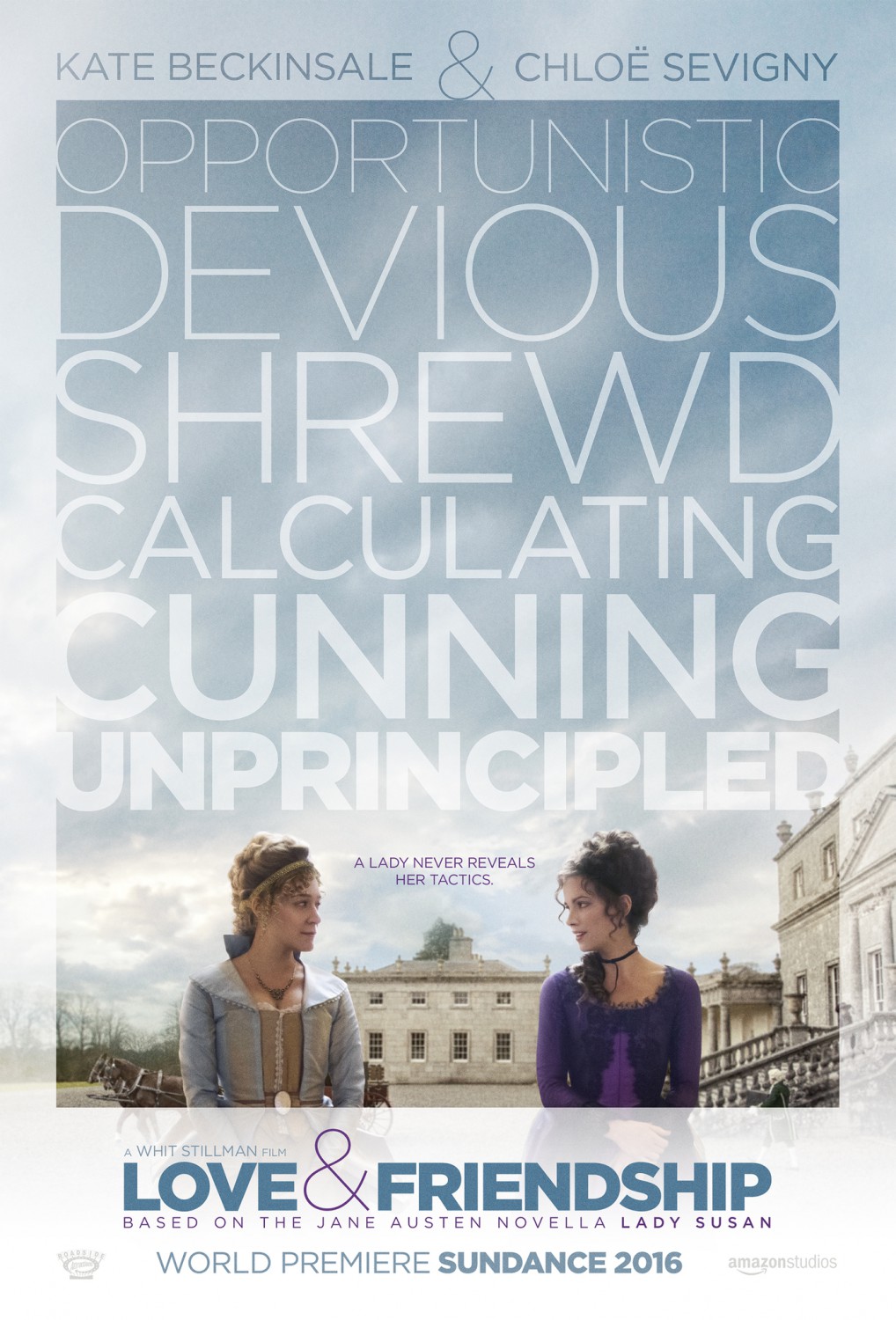
Most Jane Austen adaptations focus on the romantic aspects of her work. They distill the comedies of manners to that component, with the humor taking a backseat to the passion. I do not believe they are wrong to do so, but that does inevitably lose something from the books. With Love & Friendship, a lose adaptation of Lady Susan, Whit Stillman goes the opposite way. It drains almost all notions of actual romance from the work and focuses on the humor. The result is a magnificently funny period comedy that overflows with wit and charm.

Love & Friendship stars Kate Beckinsale as the widowed Lady Susan Vernon, a woman who is determined to find fitting husbands for herself and her daughter. Of course, her definition of fitting is not exactly the same as what society expects. Lady Susan is a bulldozer running roughshod over the stilted and polite society in which she is trapped. She is charming and charismatic and thoroughly terrible. She is also surrounded, largely, by fools and innocents. Among them is her sweet and earnest daughter Frederica, whom Susan believes is an idiot, and their suitors.

Lady Susan is toying with the young, as in close to her daughter’s age, Reginald DeCourcy. Possibly she intends to wed him, perhaps she is just toying with him. Her affections are also engaged elsewhere. For Frederica, it is the completely vapid, but rich, Sir James Martin. Lady Susan plots and schemes her way through the movie, generally operating several steps ahead of everyone else, beating them at a game they don’t realize they are playing. Lady Susan’s one friend is Alicia Johnson, who has the misfortune, according to Lady Susan, to be married to a man “too old to be agreeable and too young to die.”

There really isn’t much of a plot; the film is all about the interactions between the characters. Lady Susan goes to stay with her late husband’s brother and there she tries to arrange permanent situations for her and her daughter. She flouts custom and manners, all with the goal of securing her place in mind. Save for her sister-in-law, most of the character are blind to how she manipulates them. Even when they appear to have her caught, she turns the tables on them, right up until the end.

The movie shines with its dialogue. The best moment is likely seeing Sir James Martin (Tom Bennett) treat being asked “how do you do?” like he was forced to answer the riddle of the Sphinx. Beckinsale shines as she verbally twists all the other characters around, never once showing an ounce of remorse for any of it. What was most delightful, and shocking given that this was based on an 18th century novel, is that in the end Lady Susan is not punished. She doesn’t necessarily triumph, but neither is she ruined.

After watching a string of big budget failures, there is something wholly delightful in the simple intelligence and humor of Love & Friendship. Well directed and superbly written, you are not likely to encounter a finer comedy this year.

*****

John Carter of Mars

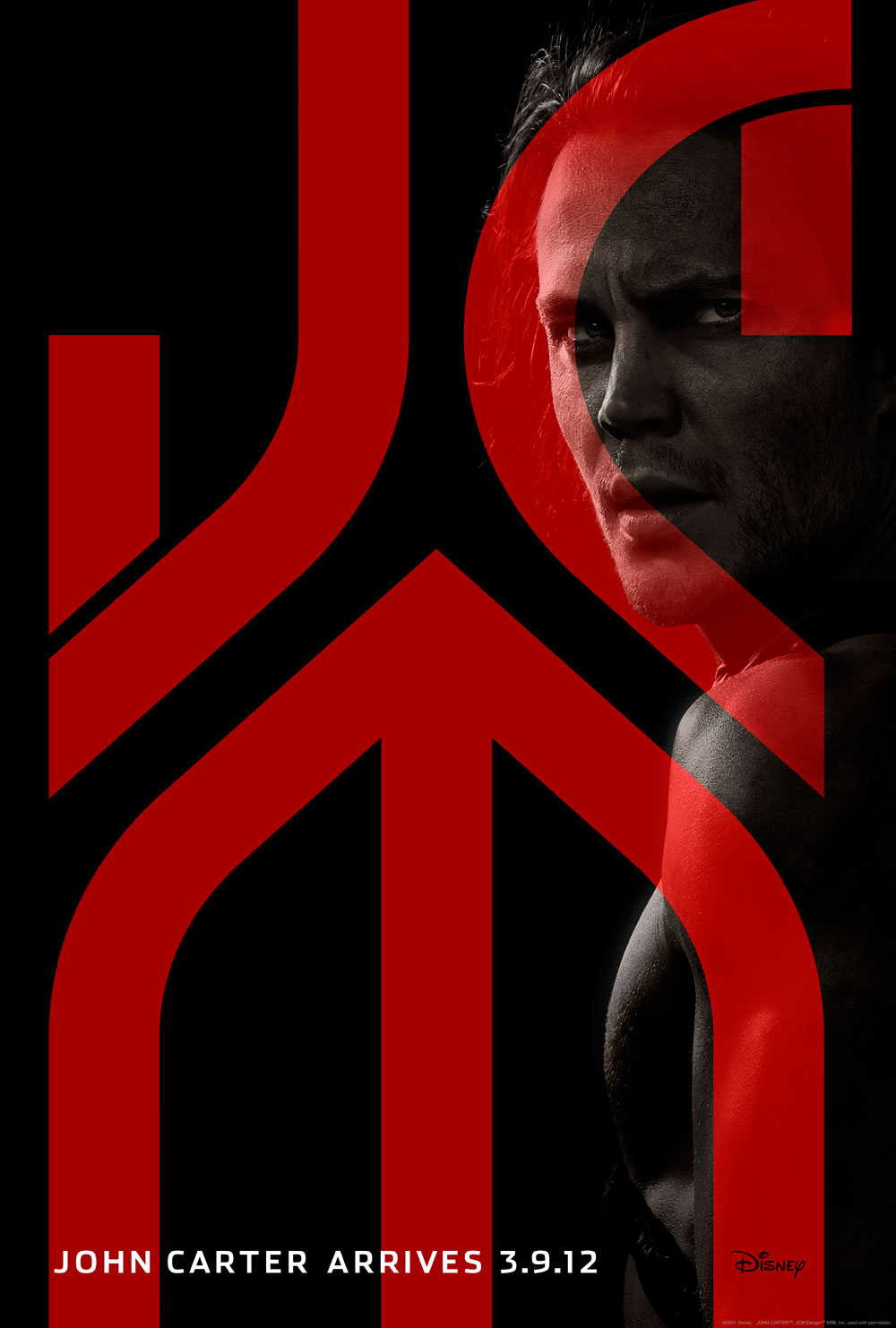
John Carter is almost a new addition into the pantheon of great Sci-fi movies, but ultimately it is too flawed to be considered with the absolute greats, like Empire Strikes Back and Blade Runner. John Carter is still very good and highly entertaining. Based loosely on the first two books of a series by Edgar Rice Burroughs (Tarzan), the tales of John Carter’s adventures on Mars have been delighting people for more than a century. The film version is not without its compromises, including the very title of the film, but it does a great job of conveying the look and feel of Barsoom on the big screen.

To start with, John Carter is definitely a flawed film. The plot often feels rushed, a result of not just fleshing out the events of the somewhat sparse first novel but also weaving in some elements from the second one. This movie is packed with things happening, leaving it little time to breathe or to linger on any of them. The changes to the plot are largely good ones, reading the books I never got the feeling that Burroughs put much thought into what came next so there are places in the books and especially places between books that don’t quite gel. John Carter is in some ways a better telling than the original, but it is certainly not a concise telling. The jumpiness of the plot undercuts any tension or weight much of the narrative could have had, leaving John Carter feeling slightly empty.

However, the character do a lot to make up for the plot’s shortcomings. John Carter is a world weary, sarcastic hero in the vein of Indiana Jones, though nowhere near that entertaining. His eventual love interest Deja Thoris is one of the most legitimately interesting female leads in an action movie. She manages to avoid “strong female character territory,” instead coming off as a true person, albeit one of the strange world that is this films Mars. She is a scientist warrior princess but not out of some contrivance to make her seem as awesome as John Carter, but because as a Princess she was trained to fight and choose to learn. She doesn’t just fall for John Carter, using her expertise to help him, she deceives him and tricks him, trying to convince or force him to help her. John Carter may be the main character, but Deja has goals as well, and is largely smart about pursuing them. The villains are not so fleshed out, Sab Than is just a thug and the other is his manipulator.

The green skinned, four armed Tharks are some of the best uses of CGI characters I’ve ever seen. Possibly it is director Andrew Stanton’s background in animation showing through, but even though they could not pass as real, they do seem alive. The way they move, their facial expressions, the Tharks almost steal the whole movie. Woola, Carter’s alien dog thing, does steal large parts of it. He runs around like a playful cartoon character, zipping along at his master’s heels. Though the CGI in this movie is not the best I have seen, it is probably the most believable. Because it doesn’t ask the viewer to believe these things are actually real, just that they are alive.

That goal is helped by the healthy dose of humor running through the film. John Carter is an outlandish adventure, playing it absolutely straight would be unbearable. So Carter treats his adventure’s with more than a touch of be comical disbelief. The movie is not a comedy, but it doesn’t take itself too seriously. It is very similar in tone to the Star Wars movies. It can be and is serious during the important scenes, but the heaviness of the later scenes is contrasted with the lightness of his early adventures.

In all, John Carter is a good movie. Its not mind blowing, in the 100 years it took John Carter to get to movie screens, much of it was stolen by other films. There is nothing here we have never seen before, but for the most part John Carter is a very well but together collection of now familiar elements. If you like sci-fi, and maybe felt disappointed in the Star Wars prequels, I can’t recommend this enough.

You Call this Archaeology? Part 3 The Last Crusade

Indiana Jones and the Last Crusade

I’ve said that Raiders of the Lost Ark is a perfect adventure movie, a movie that will never be surpassed. Indiana Jones and the Last Crusade equals it. I honestly cannot say which film I like better, usually it is the one I last saw. Unlike Temple of Doom, which tried to top it predecessor with a darker tone, slapstick and shocks, the Last Crusade aims for lighter tone and is a more character based experience. Raiders and even Temple are movies about what Indiana Jones does, The Last Crusade is a movie about who Indiana Jones is and why.

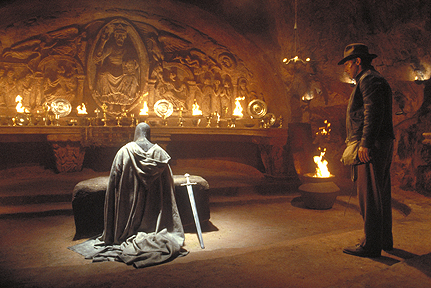
The first two films open with the ending of Indiana’s previous adventure that leads into his next one. It gives him a sense of continuous motion, that he is always on an adventure and this is just the one we happen to get to see. They were both great scenes and perfectly laid out the focus of the rest of the movie, either Indy’s rivalry with Belloq in Raiders or Anything goes in Temple. In Last Crusade we do not get the end of Indy’s previous adventure, at least not at first. Instead, it is an almost too perfect origin story for all of the famous Indiana Jones traits. How did he come to wield a bullwhip, fear snakes and wear the hat? It is all shown right there. The most important part of the scene is what is conspicuously not shown, Indy’s father. By making the short scene with his father part of their intentional Indiana Jones origin, it tries to show him as important an aspect of the character as any of the other things shown during the opening. But if Henry Jones, Sr. is vital to Indy’s story, where has he been for the first two movies? That is the question that Last Crusade asks and answers.

The action in Last Crusade is if anything less amazing or fantastic than Raiders of the Lost Ark, let alone Temple of Doom. That is not to say it is lacking, but it is more mundane. And like the rest of the movies it is still excellently shot. There is clearly a lessened focus on making the action shocking and more on making it fun. The lighter tone comes through in Last Crusade’s focus on humor. Even the big action scenes are laced with humor. Humor that comes naturally from the characters, not forced slapstick. The early escape and chase scenes are not quite as well done as Raiders’ big car chase, but they are as close as I’ve ever seen. The big showdown with the Nazi’s and their tanks near the end is possibly my favorite scene from any movie. It is all that is great about the Indiana Jones series compounded into twenty perfect minutes.

Where the last movie faltered badly, Indy’s companions, the Last Crusade shines even above the first. It brings back Sallah and Brody and gives them more time to define themselves. Ilsa is probably the best of Indiana’s love interests, being both a believable romantic interest and the closest any of the later movies gets to a Belloq replacement. While her knowledge doesn’t match Indy’s like Belloq’s did, she shows herself to be tolerably competent in the field and much more personally dangerous to Indy. All that dances around what truly elevates Last Crusade above most films. The presence of a star to rival Harrison Ford.

Sean Connery as Henry Jones, Sr. makes The Last Crusade. The damaged, nearly broken relationship between the Doctors Jones is what drives the film, and the elder one had to match Ford on screen and Connery absolutely does. In every other situation Indiana Jones is the man. He is the that everyone looks to to solve their problems. He is often exasperated and tired, but he is never at a loss. He always has an idea if not a plan. Around his father he reverts to Junior. To his father he is still a child, always a child. Indy’s actions in this movie are to prove his manhood to his father, to earn his respect. To earn his recognition. All he wants is to earn his father’s notice.

Henry Jones, Sr. is blinded by his quest enough to not even realize how close he is to losing his son. Even through their trip to Berlin he barely acknowledges his son. It is best seen in the motorcycle chase, with Indy’s proud smile being stopped by his father’s disapproving stare, except when he takes down one via joust. That earns him a brief smile. It is all about the grail to him. Until the tank scene, that is. Until he truly sees Indy in action as Indy he is always Junior to his father. During that scene, his truly realizes how capable his son is. When he thinks Indy has gone over the cliff he is finally forced to realize how broken their relationship is. It all culminates at the end when his father finally calls him Indiana, an admission that he is a man.


What makes Crusade so good is that every thing feels so natural. From Jones, Sr. constant casual dismissal of his son to Brody’s complete inability to function in the real world to the marvelous, kinetic and funny action scenes. Much of the slapstick in Temple felt forced and out of place, constantly testing the viewers sense of disbelief. The lighter tone of Crusade makes it fit with much more fluidity. It is the family film version, both in that it is about the Jones family and that it is meant for families. The Last Crusade can’t match Raiders of the Lost ark in straight adventure. If it tried it could never feel like more than a pale imitation. So instead it makes a different experience. While Raiders was a somewhat humorous adventure movie, the Last Crusade goes full on adventure/comedy. The humor is no longer a pleasant side effect of Harrison Ford being so charismatic, but it is given weight equal, or at least much closer to equal, to the action. The adjustment of that balance makes Indiana Jones and the Last Crusade a different experience but an equal one to Raiders of the Lost Ark.

You Call This Archaeology? Part 1: Raiders of the Lost Ark

Raiders of the Lost Ark

I usually try to keep a sizable variety of post topics here. Yeah, last week I had three posts about comic books, but that was mostly an anomaly. This week I had several posts planned. My usual quick post about what video game I’ve been playing, my book reviews for last month and maybe something about how stupid Mizzou going to the SEC would be were all ready to go. Sometime late last week, however, I decided, “screw that, I’m going to write about Indiana Jones.” Why you may, but probably didn’t, ask? Because it is almost my birthday, and around my birthday I like to watch some of my favorite movies. The Indiana Jones movies are some of my best-loved movies, and are frequently watched around my place. So, this week I am going to review all four Indy movies. Starting today with my thoughts on Raiders of the Lost Ark. (Spoilers: I like Raiders a whole lot.)

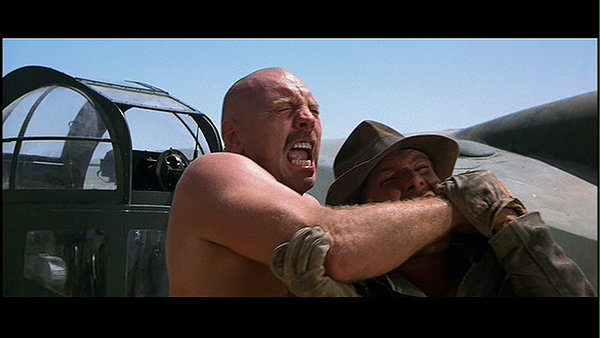
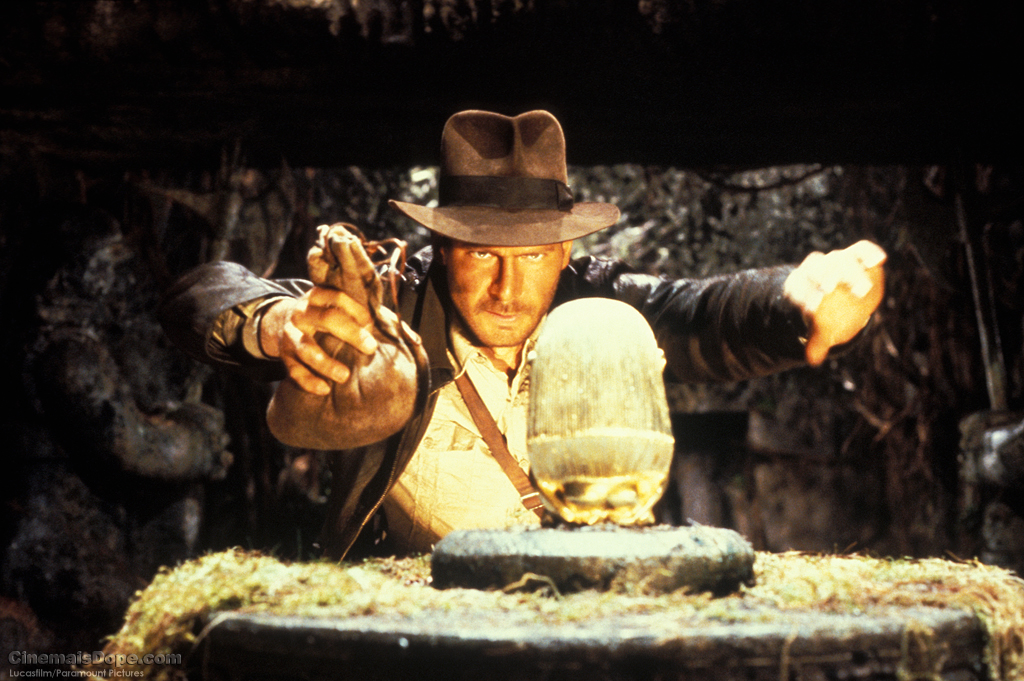
Raiders of the Lost Ark is a perfect adventure movie. There is no film in the genre that can touch it. It is terse and action packed, fun but not stupid. This first one is particularly focused, with some but little of the slapstick humor that would come later. It is the only film in the series with a believable love story. While Indy visits large portions of the globe, it is tightly plotted and steams from start to finish without ever losing momentum. In short, it is everything an adventure movie should be.

Much of lure for this film, and the whole series, lies in its hero. Indiana Jones is the possibly the greatest character to ever appear on screen. He is simultaneously larger than life and believably human. Indy does amazing things, like out run a giant boulder and hijack trucks filled with Nazis single-handedly, but doing so is visibly difficult for him. His feats are a struggle, they leave him physically drained and damaged. He doesn’t win because he is smarter, though he often is. He doesn’t win because he is stronger, though he sometimes is. Indy wins because he perseveres. He will not, cannot quit. It is primarily his struggles that make him appealing. The other part of his appeal is Harrison Ford. Indiana Jones is nowhere close to a wholly original character. He is a throwback to pulp heroes like Doc Savage and Allen Quartermain (I don’t think Quartermain actually counts as a pulp hero, but the intent is the same.) There is even a dash of Superman in there with his mild mannered Dr. Jones who, with a change of hats, becomes the unstoppable Indiana. Ford infuses Indy with a perfect roguish charm, alternately exasperated and amused by what he encounters. There is not movie star from the last 30 years that has charisma like Ford. Even when he is sleepwalking through a movie, he is still eminently watchable. Raiders of the Lost Arc, and the rest of the Indiana Jones films, feature Harrison Ford at his best.

The part of this movie that shines above the rest is in its villain. Rene Belloq is the only true rival Indiana Jones faces in any of his movies. Belloq claims that he and Indy are alike, but that is far from true. Their goals and their skills are similar, but their methods and outlooks are wholly different. Belloq is cynical, he is ruthless. As long as he achieves his goal there is no deal he won’t make or break. Indy is an idealist, he has limits. A big visible difference is in whom they ally themselves with. Indy has friends, from Marian to Sallah to Jock with his plane at the beginning. Belloq has tools that he uses to achieve his goals. There is no trust between Belloq and the Nazis, just like there is none between him and the Hovitos (?) at the beginning. He has constructed his relationship with them to last as long as it is convenient. Indy has to rely on his partners, and sometimes they let him down.

The conflict between Indiana Jones and Belloq is established wonderfully in the opening scene. We see Indy do all the work to find the idol, but Belloq comes in with an army and takes it from him. “Dr. Jones. Again we see that there is nothing you can possess that I cannot take away” is likely Belloq’s most famous line. That right there is the conflict that drives the movie. The Nazi’s are but window dressing, not important other than to have someone to fight. Belloq is whom Indy is truly at war with. Over everything. Belloq tries to seduce Marian not because he is attracted to her, or at least not only for that, but because she is with Indy. Belloq employs an army of Nazi’s to find the ark, using his expertise, of course. Indy digs with a small crew right under his nose to get it first. Note how Indy gets down and dirty to help with the actual digging; Belloq seems to believe that he is above that.

Their rivalry drives the movie to its conclusion, when Belloq opens the arc. There we see Belloq’s true cynicism and Indy’s romanticism. Unlike the Nazis, Belloq believes in the Ark’s power, but he doesn’t fully believe in it. He thinks he can control it, that he can master it. Indy does believe in the power of the Ark and knows the dangers it represents. He is romantic enough to believe in the mystical power of ancient artifacts, and wary enough to believe that power poses a threat. Belloq believes he is untouchable and that is his downfall.

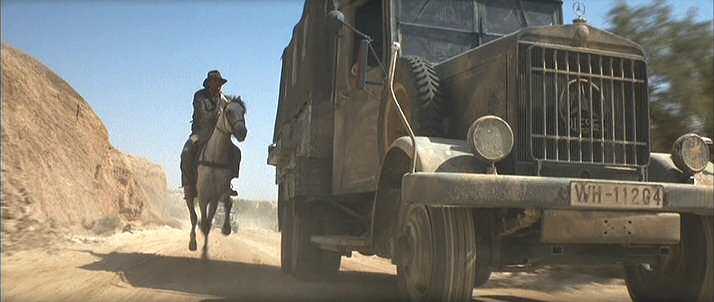
There is no real point in going over the plot of Raiders of the Lost Ark. Nearly every scene is iconic, from the rolling boulder in the opening temple to the melting faces at the end. My personal favorite is the whole truck hijacking scene. It is perfect. The whole movie is nearly perfect. This is the gold standard for adventure movies.

King of the Impossible!

I sit here typing this review in stunned amazement. At 25 years old, I would say my tastes are pretty well developed at this point. Sure, I’m up for trying something new, but I know what I like and I know how to where to get it. Which is why I am so amazed to find something like Flash Gordon. I stumbled unawares upon Flash Gordon, no foreknowledge, no familiarity at all. That should not be possible. I am a greedy devourer of 70’s and 80’s science fiction and fantasy movies. I love old comics. I love cheesy, goofy, campy films from any era. If you know of a movie with a cult following, I am likely a member of that cult. Flash Gordon is not only all of those things; it is the epitome of them. Somehow, I had no awareness its existence despite it practically being the nexus around which my tastes revolve. I love science fiction and fantasy movies from the 70’s and 80’s. No matter how much work was put into making it look real, they all look cheesy. No matter how they are dressed up, all of these old fantasies (which even the science fiction movies are) still look like childish imaginings. Flash Gordon, though, never attempts to seem real, it fully embraces the unreality of its world and is all the better for it. A haphazard mix of fantasy and science fiction, an origin in the pulps and comic strips, a gleeful disregard for anything even resembling sanity, Flash Gordon has nearly everything I could want in a movie. Continue reading

What Is Keeping Him Up

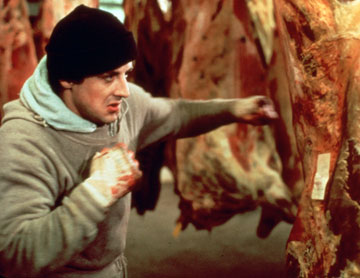
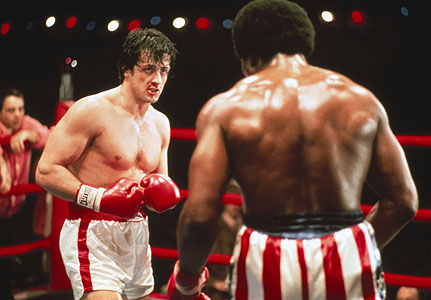
My favorite romance movie is undoubtedly Rocky.  People who have not watched it recently, who have memories of the later Rocky films cluttering their memories of the first, do not tend to think of it as such, but Rocky is a love story.  Rocky’s burgeoning relationship with Adrian is at least as vital to the films plot as boxing is.  But the image of Rocky in pop culture is more about the vibrant, outrageous sequels than the somber and contemplative first movie.  All that anyone usually remembers is that Rocky loses at the end and even that I would say is wrong.  At the end of Rocky, the eponymous lead has won all he ever wanted.
The best and most enduring element of this movie is the title character.  I defy anyone to watch Rocky and not empathize with the beleaguered boxer.  Though I call the movie a romance, as the title would suggest this is very much Rocky’s story.  His romance of Adrian may be the central plot, but the story is told from Rocky’s point of view.  The movie quickly establishes Rocky as a down and nearly out man.  His boxing career is going nowhere and the proprietor of his gym wants him out.  To make ends meet he works as leg breaker for a two-bit loan shark.  Rocky is also show to be honest and an all around good guy.  He clearly works for the loan shark only reluctantly.  Rocky tries to help a young girl who is hanging out with a bad crowd, only to have her throw his advice back in his face.  What Rocky seems most interested in doing is chatting up the shy pet store clerk Adrian.
One of Rocky’s several opposites is his friend Pauley, Adrian’s brother.  He is cruel and dismissive of his sister, though he does care about her.  Where Rocky hates having to work for Gazzo, Pauley wants to do it.  Pauley is sad, pathetic, and mean, but he is one of Rocky’s few friends at the start.  Another is Apollo Creed.  Creed is one of the things that make this first movie so interesting.  There is no villain in this movie, like Clubber Lang or Ivan Drago from later movies.  Apollo is whom Rocky fights at the end, but his portrayal very sympathetically.  He may be cynical, but his cynicism is what lands Rocky his big chance.  Apollo is what Rocky wants to be.  He has a successful boxing career; he is intelligent and eloquent.  He has all the qualities that Rocky wants.  Then there is Mickey.  Mickey is Rocky’s future.  He is what could happen to Rocky forty years down the road, after life gives Rocky it is last few knocks.
The big fight with Apollo comes into the movie late, for most of the film Rocky is trying to woo Adrian.  He spends time coming with bad jokes to tell her.  He stops by her pet store twice everyday.  Adrian is reluctant at first, but after a push from Pauley, she starts seeing Rocky.  Adrian is who Rocky loves, but Rocky mostly wants someone to care about him.  She is incredibly shy and repressed at the beginning, but Rocky is eventually able to draw her out of her shell.  Their deepening relationship takes up most of the first half of the movie.
After Rocky agrees to fight Apollo, all the people who wanted nothing to do with him before come to him for help.  Instead of dismissing them outright, Rocky lets those who can help him help him.  Mickey originally was trying to run Rocky out of his gym, but afterwards he sees Rocky as his last chance to matter, Rocky proves his caliber by agreeing to let Mickey train him.  Once the unforgettable training montage starts, Rocky becomes the greatest sports movie ever.  Despite knowing that he is completely outclassed Rocky knows that this is his last and only chance at mattering and he has to give it his all.  The fight highlights the differences between Rocky and Apollo.  Apollo is a showman; he is putting on a performance for the crowd. Rocky is workmanlike, he simply puts his head down and goes to work.  No one takes Rocky seriously until his is able to down the champion.  After that, Apollo shows his other side, the ruthless fighter.  Rocky just continues as he started.
Possibly my favorite sequence in any film is round fourteen.  Both fighters are exhausted, especially Rocky, but they continue to go at it and one of the announcers, who really help make the fight scene, exclaims, “What is keeping him up?”  That question is the essence of Rocky’s, both the film and the characters, appeal.  He may go down, but he will never stay down.  When Apollo does knock him down everyone expects him to stay down.  Apollo dances victoriously, Mickey tells Rocky to stay down, Adrian finally finds the courage to watch the fight, and music the crescendos as Rocky shows his unbreakable spirit as he climbs to his feet.  Apollo, who despite his early lackadaisical approach is show to be a supreme competitor, stares in disbelief.  After that moment, the outcome of the fight is all but irrelevant.
When the fight does end, it is interesting to note that the judge’s decision is drowned out by Rocky’s cries for Adrian.  The only way the outcome is known is by Apollo’s reaction.  The movie does not hinge on the outcome of the fight, but on Adrian’s joining Rocky in the ring.  Like when he is interviewed after accepting the fight he has no answer about how he intends to fight Apollo, but he does remember to say hi to Adrian on TV.  Adrian proves to always be more important to Rocky than fighting.  And the romance is more important than the boxing.